Future Careers in Renewable Energy: The Complete 2026 Guide to Jobs, Salaries, and Growth
16.6 million people already work in renewable energy worldwide. Here’s how you can become one of them — with real data, real salaries, and a real roadmap.
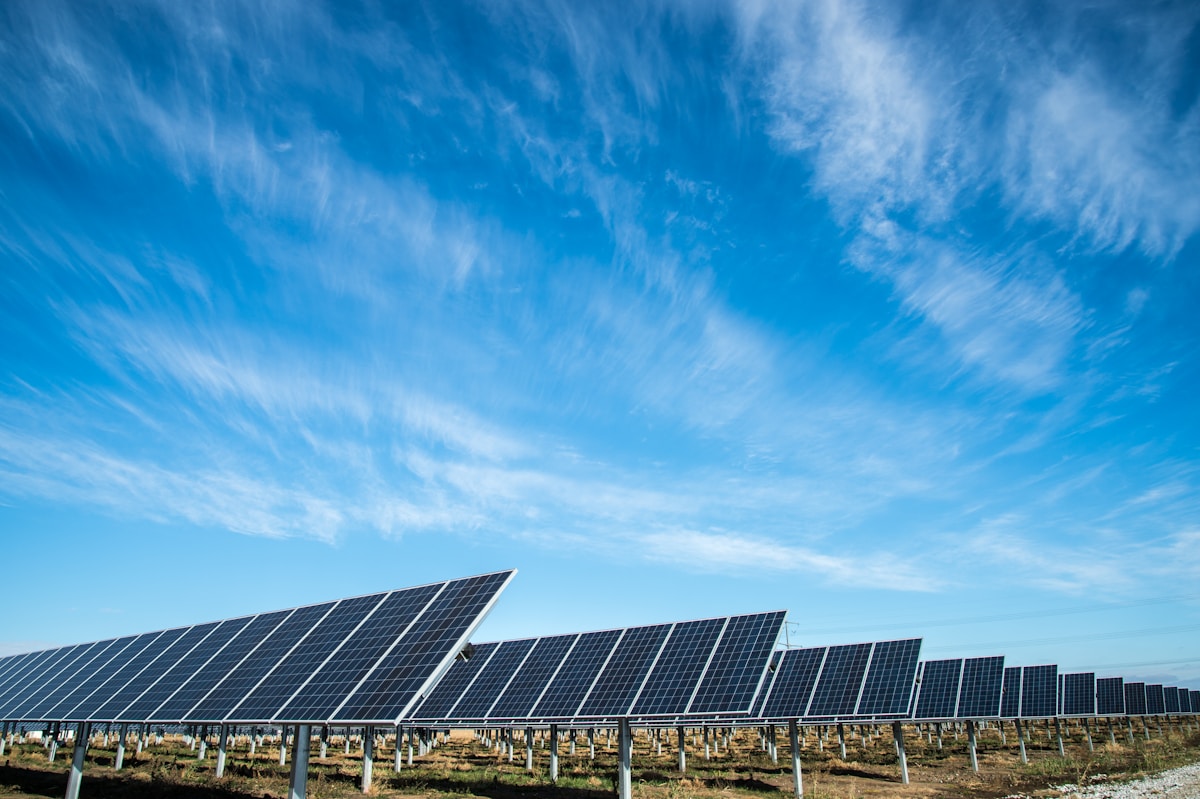
Ten years ago, “renewable energy career” meant one thing to most people: climbing a wind turbine or bolting solar panels onto a roof. That picture is outdated. Today, the clean energy workforce includes data scientists modelling battery storage, lawyers drafting carbon credit contracts, drone pilots inspecting offshore wind farms, and AI engineers optimising power grids in real time.
If you are wondering whether renewable energy is a smart career move, the short answer is yes — but the details matter a lot more than the headlines suggest. This guide breaks down exactly which jobs are growing, which are stalling, what they pay, what skills you actually need, and how to get in, using verified data from the International Renewable Energy Agency (IRENA), the International Labour Organization (ILO), the U.S. Bureau of Labor Statistics (BLS), and the International Energy Agency (IEA).
What You’ll Learn in This Guide
- Why Renewable Energy Careers Matter Right Now
- The Global Renewable Energy Job Market: Real Numbers
- Top 10 Future Careers in Renewable Energy
- Salary Comparison Table
- Skills You Need to Break In
- Education Paths and Certifications
- Challenges Nobody Talks About
- Where the Sector Is Headed by 2030
- How to Start Your Renewable Energy Career
- Frequently Asked Questions
Why Renewable Energy Careers Matter Right Now
Energy is being rebuilt from the ground up. Countries are racing to meet the COP28 pledge to triple renewable power capacity by 2030, and that single target is reshaping entire labour markets. Whether or not that goal is fully met, the direction of travel is set: more solar, more wind, more storage, more grid modernisation, and more people needed to build, run, and maintain all of it.
As IRENA Director-General Francesco La Camera put it after the release of the 2025 Annual Review:
“Renewable energy deployment is booming, but the human side of the story is as important as the technological side. Governments must put people at the centre of their energy and climate objectives through trade and industrial policies that drive investments, build domestic capacity, and develop a skilled workforce along the supply chain.” — Francesco La Camera, Director-General, IRENA (January 2026)
That quote captures the whole story in one line: the technology is ready, but the workforce is the bottleneck. That bottleneck is exactly where the opportunity sits for anyone reading this article today.
The Global Renewable Energy Job Market: Real Numbers
Let’s start with the data, because vague optimism doesn’t help anyone plan a career. According to the IRENA-ILO Annual Review 2025, global renewable energy employment reached 16.6 million jobs in 2024, up from 16.2 million the year before.
Growth has slowed compared to previous years, though — a fact worth being honest about. Employment rose only 2.3% between 2023 and 2024, the smallest annual increase since IRENA began tracking the sector. The report links this to geopolitical trade friction and rising automation in manufacturing, even as installations hit record highs.
By technology, the breakdown for 2024 looks like this:
| Technology | Global Jobs (2024) | Share of Total |
|---|---|---|
| Solar photovoltaics (PV) | 7.3 million | 44% |
| Liquid biofuels | 2.6 million | 16% |
| Hydropower | 2.3 million | 14% |
| Wind energy | 1.9 million | 11% |
| Other (heat pumps, geothermal, biogas, etc.) | ~2.5 million | 15% |
Source: IRENA and ILO, Renewable Energy and Jobs — Annual Review 2025.
Geographically, the picture is uneven. China alone accounts for 45% of global renewable jobs thanks to its dominance in manufacturing and deployment. The European Union holds around 1.8 million jobs, Brazil about 1.4 million, India roughly 1.3 million, and the United States around 1.1 million. This concentration matters if you’re planning where to build a career — supply chains, factories, and installation demand cluster heavily in a handful of countries.
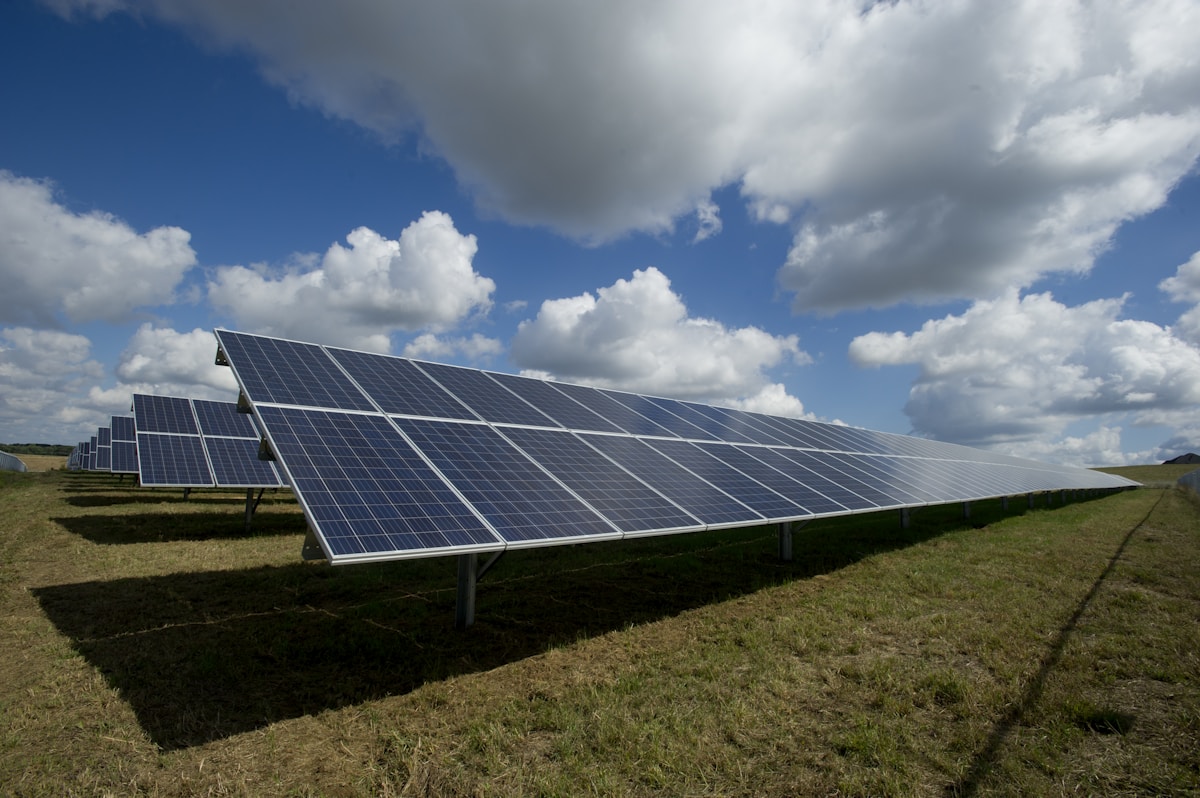
Top 10 Future Careers in Renewable Energy
Here are the roles worth paying attention to — a mix of hands-on trades, engineering paths, and the newer digital/policy roles that are quietly becoming just as important as the technical ones.
1. Wind Turbine Service Technician
This is officially the fastest-growing occupation in the entire U.S. economy. The Bureau of Labor Statistics projects 49.9% employment growth between 2024 and 2034, taking the field from roughly 13,600 workers to over 20,000. It’s physical, outdoor work — climbing turbines, doing electrical and mechanical repairs — usually requiring a two-year associate degree from a wind energy technology program.
Why it matters
Even though the percentage growth is huge, the absolute numbers are still small (about 6,800 new jobs total). That means competition for entry-level roles is lower than in bigger industries, but you’ll want to be flexible about location — most positions cluster in Texas, Iowa, Oklahoma, and the Dakotas.
2. Solar Photovoltaic (PV) Installer
The second-fastest-growing U.S. occupation, projected to grow 42.1% through 2034, adding around 12,000 jobs. It’s one of the most accessible entry points into clean energy — a high school diploma plus on-the-job training or a short certificate program is often enough to start.
Career ladder
Many installers move on to earn the NABCEP PV Installation Professional certification, considered the gold-standard credential in the U.S. solar industry, then progress into supervisory, sales, or systems design roles.
3. Renewable Energy Engineer
These are the people who design solar farms, wind installations, and hybrid systems from the ground up. It typically requires a bachelor’s degree in electrical, mechanical, or renewable energy engineering. Because the fundamentals overlap heavily with conventional power engineering, many professionals transition in mid-career with only technology-specific upskilling — not a full retrain.
4. Battery Storage & Grid Systems Specialist
As more solar and wind capacity comes online, storing and balancing that power has become one of the hottest sub-sectors in the entire industry. Battery storage specialists, grid integration engineers, and demand-response analysts are increasingly in demand as utilities modernise ageing grids to handle variable renewable output.
5. Energy Auditor / Efficiency Consultant
Not every green job is about generating power — plenty are about using less of it. Energy auditors assess homes, offices, and factories for waste and recommend upgrades. It’s a strong path for people who like client-facing work and want flexible, often self-employed careers.
6. EV Infrastructure Technician
As electric vehicle adoption climbs, someone has to design, install, and maintain the charging network. This role sits at the intersection of renewable energy and transportation electrification, and demand is rising fast in both urban and highway-corridor markets.
7. Sustainability / ESG Analyst
Every large company now needs someone tracking carbon footprints, renewable energy procurement, and ESG (Environmental, Social, Governance) reporting. This role suits people from finance, business, or data backgrounds who want to work in clean energy without an engineering degree.
8. Green Hydrogen Specialist
Still an emerging field, but one that governments and energy majors are pouring billions into. Green hydrogen — made using renewable electricity — is being positioned as a solution for heavy industry and shipping, sectors that are hard to electrify directly. Early-career specialists here are rare, which means less competition for those willing to build expertise now.
9. Climate Data Scientist / Renewable Energy Analyst
Data science skills are becoming essential for forecasting solar and wind output, optimising grids with AI, and modelling long-term energy scenarios. This is one of the clearest overlaps between the booming tech job market and the renewable energy sector.
10. Environmental & Energy Policy Analyst
Someone has to write the regulations, subsidies, and trade rules that shape how fast renewables get built. Policy analysts working in government, think tanks, or NGOs shape the incentives the entire industry depends on — a genuinely high-leverage career for people who prefer research and writing over fieldwork.
Salary Comparison Table (United States, 2024–2025 data)
| Career | Median Annual Salary | Typical Entry Requirement | 10-Year Growth Outlook |
|---|---|---|---|
| Wind Turbine Service Technician | $62,580 | Associate degree / technical program | +49.9% |
| Solar PV Installer | $51,860 | High school diploma + training | +42.1% |
| Renewable Energy Engineer | $96,000–$120,000 | Bachelor’s degree (engineering) | Strong, tied to overall engineering growth |
| Battery/Grid Storage Specialist | $85,000–$110,000 | Bachelor’s degree (electrical/EE) | Rapid, still emerging |
| Energy Auditor | $60,000–$78,000 | Certificate or associate degree | Steady |
| Sustainability/ESG Analyst | $70,000–$95,000 | Bachelor’s degree (business/env. science) | Fast, corporate-driven |
| Climate Data Scientist | $100,000–$140,000 | Bachelor’s/Master’s (data science, stats) | Very fast, tech-adjacent |
Wage figures reflect U.S. Bureau of Labor Statistics Occupational Employment and Wage Statistics (May 2024) and industry salary surveys; figures for emerging roles (battery storage, ESG, data science) are broader industry estimates and vary significantly by region, employer, and experience level.
Skills You Need to Break In
The good news: you don’t need to reinvent yourself to move into renewable energy. Most of the fastest-growing roles reward people who combine one hands-on or technical skill with basic digital literacy.
- Electrical fundamentals — essential for solar, wind, EV charging, and grid roles.
- Data analysis and basic coding (Python, Excel, SQL) — increasingly expected even for site-based roles that involve monitoring systems.
- Project management — large solar and wind builds require coordinating contractors, permits, and timelines.
- Safety certifications (OSHA, working at heights, confined space) — non-negotiable for field roles like wind and solar installation.
- Communication and regulatory knowledge — vital for policy, ESG, and community-facing roles.
Education Paths and Certifications
Trade and Vocational Routes
Community colleges in wind-heavy U.S. states — Texas, Iowa, Oklahoma, and the Dakotas — run dedicated two-year wind energy technology programs. Solar installation certificates can often be completed in a few weeks to a few months, and the NABCEP PV Installation Professional credential is widely recognised as the benchmark for advancement.
University Routes
Renewable energy engineering, electrical engineering, environmental science, and sustainability degrees remain the standard route into engineering, policy, and analyst roles. Many universities now offer renewable-energy-specific specialisations or minors.
Online and Short-Course Options
Platforms like Coursera, edX, and LinkedIn Learning offer renewable energy and sustainability certificates from universities and industry bodies, which are useful for career-changers who want to test the waters before committing to a longer program.
Career Path Mind Map: Ways Into Renewable Energy
- Hands-on / Field Track
- High school → Trade certificate → Solar PV Installer → NABCEP certification → Site Supervisor
- Associate degree → Wind Technician → Lead Technician → Fleet Operations Manager
- Engineering Track
- Bachelor’s in EE/ME → Renewable Energy Engineer → Grid/Storage Specialist → Project Lead
- Data & Digital Track
- Data science/statistics background → Energy Analyst → Climate Data Scientist → AI-for-Energy Specialist
- Business & Policy Track
- Business/env. science degree → Sustainability Analyst → ESG Manager → Policy Advisor
Challenges Nobody Talks About
Most articles on this topic only tell the good half of the story. Here’s the part that’s just as important:
- Growth has slowed. The 2.3% job growth in 2024 was the lowest annual increase IRENA has recorded, even as installations hit record highs — largely due to automation and trade tensions.
- Geography is unequal. China holds 45% of global renewable jobs. If you’re outside a handful of manufacturing and deployment hubs, competition for local roles can be tighter than the global averages suggest.
- Small absolute numbers in fast-growing trades. Wind and solar technician roles are growing fastest by percentage, but the total new jobs added remain modest — don’t assume “fastest-growing” automatically means “easiest to get hired.”
- Automation is rising. Manufacturing automation is already limiting job creation in some segments of the solar supply chain, according to IRENA’s 2025 review.
- Workforce diversity gaps persist. IRENA notes that data on workforce diversity, including gender balance, remains limited across most countries — a sign the sector still has structural work to do.
Where the Sector Is Headed by 2030
The IEA’s World Energy Employment data shows the power sector has now overtaken fuel supply as the single largest energy employer for the first time — a symbolic and practical shift toward electricity-based, renewables-heavy energy systems. With the global COP28 pledge to triple renewable capacity by 2030 still guiding policy, expect continued (if uneven) job growth concentrated in:
- Grid modernisation and battery storage, as more variable renewable power needs balancing.
- Offshore wind, particularly in Europe and parts of Asia.
- Green hydrogen, as industrial decarbonisation efforts scale up.
- AI-driven energy management, forecasting, and predictive maintenance.
How to Start Your Renewable Energy Career: A Simple Action Plan
- Pick your track — hands-on trade, engineering, data, or policy — based on your current background and interests.
- Get one credential that proves competence: a NABCEP certificate, an engineering degree, a data science bootcamp, or a sustainability certification.
- Target the right geography — research where solar, wind, or grid projects are actually being built near you, rather than applying blind.
- Build a portfolio — even a small home solar monitoring project, a data analysis of local energy consumption, or a volunteer policy brief can set you apart.
- Network inside the industry — trade associations, LinkedIn groups, and local clean energy job fairs are often more useful than cold applications.
Frequently Asked Questions
Is renewable energy a good career in 2026?
Yes, for most paths. Global renewable energy employment reached 16.6 million jobs in 2024, and roles like wind turbine technician and solar PV installer are the two fastest-growing occupations tracked by the U.S. Bureau of Labor Statistics. Growth has slowed slightly compared to previous years, so it pays to choose a specific, in-demand specialisation rather than assuming “renewable energy” alone guarantees a job.
Do I need a college degree to work in renewable energy?
No, not always. Solar PV installer roles typically only require a high school diploma plus on-the-job training or a short certificate program. Wind turbine technician roles usually need a two-year associate degree. Engineering, data science, and policy roles generally require a bachelor’s degree or higher.
What is the highest-paying renewable energy job?
Among the roles covered here, climate data scientists and senior renewable energy engineers tend to earn the most, often in the $100,000–$140,000 range in the U.S., though this varies by employer, region, and experience.
Which country has the most renewable energy jobs?
China leads by a wide margin, with 7.4 million renewable energy jobs — about 45% of the global total — driven by its dominant position in solar and battery manufacturing, according to IRENA and ILO data.
Are renewable energy jobs at risk from automation?
Some are. IRENA’s 2025 Annual Review specifically links slowing job growth in manufacturing to rising automation. Field-based roles like installation and maintenance are less exposed to automation risk than factory-based manufacturing roles.